

VEHICLE BODY BUILDING CASE STUDIES
BONDING COMMERCIAL VEHICLE KICK PLATES
Customers Previous Method And Application
Vehicle kick plates and tread plates are one of our body building solutions for vehicles. They help prevent the load causing damage to the floor, ceiling or sides of the vehicle, whilst loading, unloading or whilst the vehicle is in motion. A secure fixing is critical in preventing this scenario.
The customer’s previous process was a multi-staged process which relied on a combination of liquid adhesive and mechanical fasteners, with a double sided foam tape used to hold components in place while the adhesive cured. Assembly by this method was complex, labour intensive and time consuming due to the large number of different products and processes required.


Assessment And Solution
After evaluating the customer’s application and current processes, it was recommended to simplify the installation process, hence reducing assembly time and creating a tidier, more aesthetically pleasing finish to the vehicle interior.
Replacing the combination of liquid adhesive and double sided foam tape with tesa® ACXplus tape removed a major step from the assembly process meaning the new process cut the time required to install kick plates and other load fastenings by approximately half, as well as eliminating visual issues caused by excess adhesive around the bond area
(Case study details kindly provided by tesa®, all rights reserved tesa® 2022)
BONDING COMMERCIAL VEHICLE ROOF SKINNING
Customers Previous Method And Application
This company manufactured a range of rigid-bodied trailers, anything up to 13.5m long, fastening glass reinforced plastic panels as roofing, secured to the vehicle aluminium frame with adhesives and rivets.
The fastening of roof panel bonding is critical to the performance of the trailer, ensuring the overall structural integrity of the trailer while also protecting the load from the elements including water and dust, while also experiencing other critical factors.
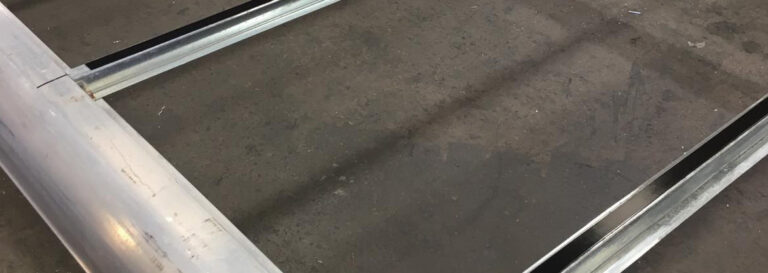
The customer’s existing process consists of the use of liquid adhesive, adhesive tape and rivets. After mounting the panels using the liquid and adhesive tape, rivets were installed every 25mm along the length of the joint. A sealant was then applied to prevent leakage at the rivet holes.
This process was extremely time-consuming, with a single roof taking six hours to complete. Moreover, panels fitted to trailers used in demanding environment sometimes experience cracking, as the large number of mechanical fasteners prevent relative movement between the panel and frame caused by their different rates of thermal expansion.
Assessment And Solution
After evaluating the customer’s application and current processes, it was identified to simplify the installation process, hence reducing assembly time and significantly reducing the number of mechanical fasteners required. The durability of the proposed solution was initially evaluated at tesa’s Application Solution Center (ASC), where accelerated environmental testing showed that the recommended tape would have a service life of 25 years, more than twice the expected operating life of a trailer.
It was concluded that by replacing the combination of liquid adhesive and foam tape with tesa® ACXplus tape, it would remove significant time and
labour costs from the assembly process. Manufacturing teams have no longer have to wait for adhesives to cure or spend time cleaning residual adhesive from the bonded areas.
More significantly, the high strength of the tesa tape on this application has allowed it to increase the spacing between rivets to more than a metre, dramatically reducing drilling, riveting and sealing. This is expected to have a positive effect on the incidence of cracking induced by thermal movement, which can now be accommodated by the tape’s core properties.
(Case study details kindly provided by tesa®, all rights reserved tesa® 2022 )
BONDING COMMERCIAL VEHICLE SIDE WALLS
Customers Previous Method And Application
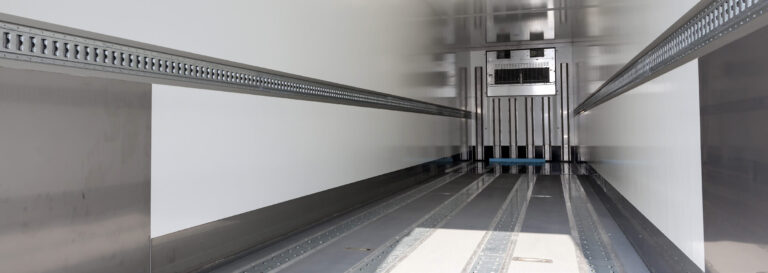
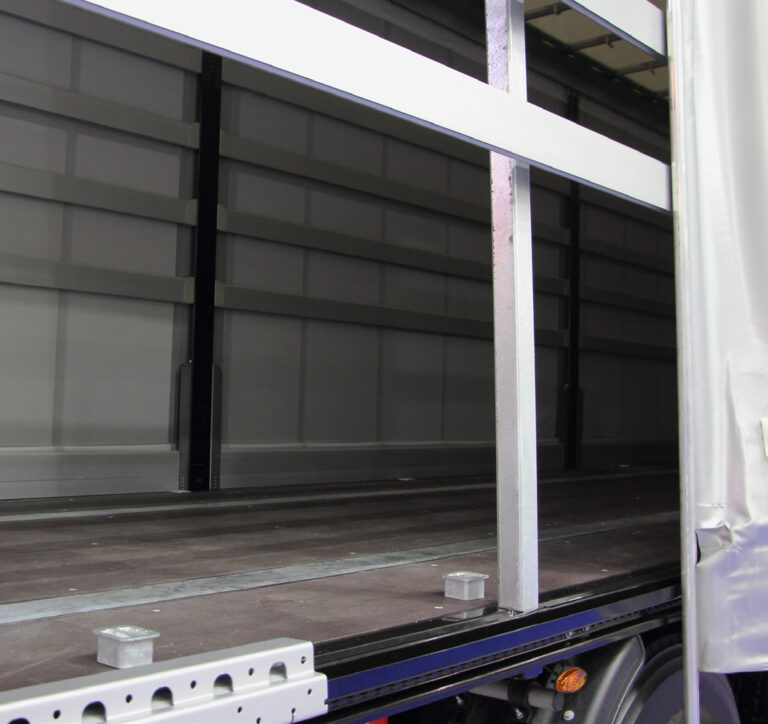
The company manufactured a range of rigid-bodied trailers up to 13.5m long. The walls of it’s trailers are formed of a number of glass reinforced plastic panels, joined at their edges with a T-bar and plate combination. The customer’s existing process relied on a combination of double-sided
foam adhesive tape and numerous screws.
This method provided sufficient strength, but was time consuming to complete and resulted in a large number of highly visible fasteners on the area of the product most obvious to customers and the public.
Assessment And Solution
After evaluating the customer’s application and current processes, it was identified that it would be beneficial to use a higher strength tape, that would reduce the requirement for mechanical fasteners.
This would also save time during assembly, and lead to a cleaner, more aesthetically pleasing and product.
The recommended approach involves the preparation of side wall panels with an application of a tesa® adhesion promoter, followed by the use of 2 types of ACXplus tape, one on the outside of the panel joint and one on the inside.
A small number of screws are then installed to complete the assembly process. The customer has embarked on a number of manufacturing and vehicle trials using this new approach.
(Case study details kindly provided by tesa®, all rights reserved tesa® 2022 )
BONDING COMMERCIAL VEHICLE TREAD PLATES
Customers Previous Method And Application
The manufacturer, as many, had historically used mechanical fixings, specifically rivets, to attach tread plates to the side of their vehicles. Whilst this proved a secure enough solution, it was a very time consuming process and not really the best solution aesthetically in the long term.
Rust or corrosion stains from the rivets became visually noticeable as this is a common issue when this type of mechanical fixing begins to rust or corrode. The company began considering a tape option to eliminate this and also improve on productivity.


Assessment And Solution
An assessment of the application was done by tesa and it determined that tesa® ACXplus tape would be the most appropriate solution. The customer would need to bond steel chequer plates onto powder coated surfaces without the use of adhesion promoter and could do so in potentially cold working environments.
This tesa® ACXplus tape can be applied in temperatures as low as freezing (0°C) and can bond to powder coated surfaces without the use of any adhesion promoter.
With its high adhesion level and ability to perform in low temperatures, tesa® ACXplus tape has proved a successful alternative to traditional mechanical fixing. Implementing this tape has not only eliminated the rust spots that were previously forming, but has also led to the desired increase in productivity with considerable time and cost savings in the tread plate application process.
(Case study details kindly provided by tesa®, all rights reserved tesa® 2022 )
BONDING COMMERCIAL VEHICLE LASHING RAILS
Customers Previous Method And Application
Lashing rails, also known as load track rails, are used to prevent vehicle loads from moving in transit and are absolutely critical for health and safety.
This Hampshire based vehicle converter’s previous load tracks application process used mechanical fixings to attach the rails to the interior of Luton vans and the process of applying approximately 60m of lashing rails typically took anything between 3 to 5 hours, using up to 300 rivets.


Assessment And Solution
After evaluating the customer’s application and current processes, a simplified installation process was identified, greatly reducing the application time and delivering a neater, more aesthetically pleasing finish to the vehicle interior.
The testing period came up with a solution which reduced rivets from one apprxomately every 2.5cm to one per metre, saving both costs and stress fracturing.
Replacing the combination of mechanical fasteners with tesa® ACXplus double-sided foam tape removed a major step and source of delay from the assembly process.
The new process cut the application time from 3-5 hours down to less than 1 hour.with obvious benefits.
(Case study details kindly provided by tesa®, all rights reserved tesa® 2022 )


